AI, IoT & Security: What Locksmiths Need to Know Now
The security industry is evolving faster than ever. Traditional mechanical locks are no longer the center of the conversation. Today’s customers are asking about smart locks, mobile credentials, remote access, cloud management, AI-powered surveillance, and integrated security ecosystems. For locksmiths and security professionals, that shift presents both a challenge and a major opportunity. At the Yankee Security Convention, one of the Northeast’s leading events for locksmiths and security professionals, these conversations are becoming impossible to ignore. The show continues to spotlight connected security technologies, hands-on training, educational sessions, and emerging trends shaping the future of the trade.
The Industry Is Moving Beyond Traditional Locks
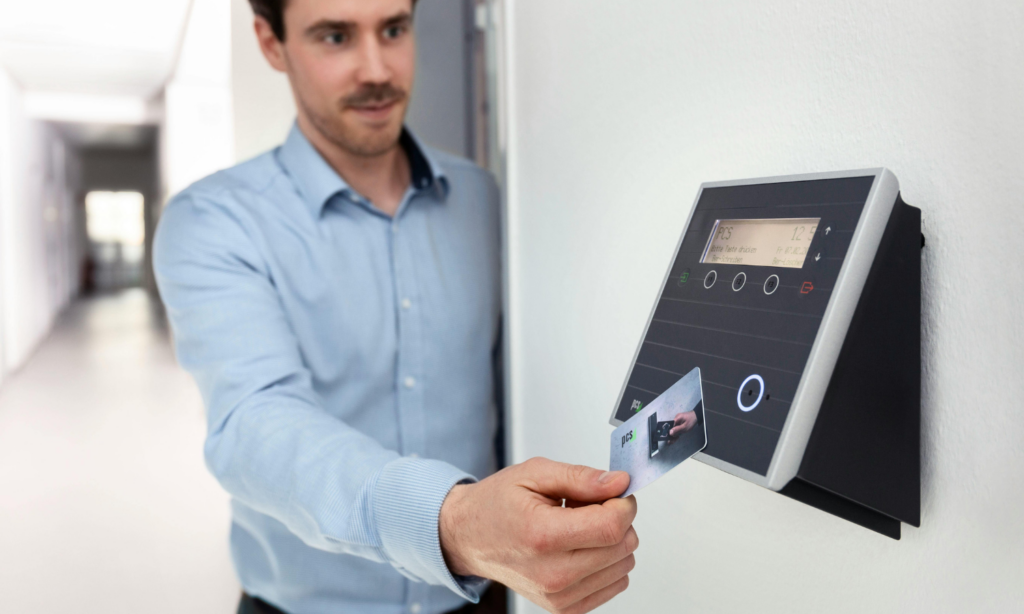
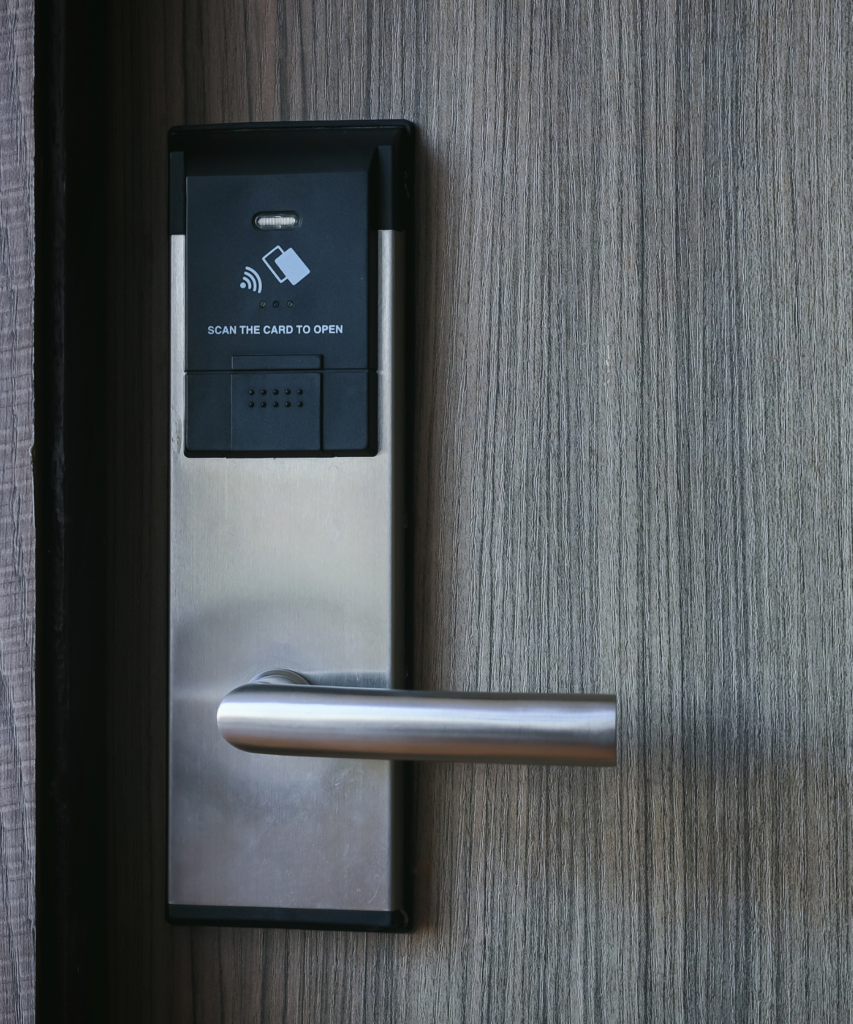
Modern security is no longer just about hardware. Customers now expect systems that can communicate, automate, and provide real-time visibility. From commercial offices to residential properties, Internet of Things (IoT) devices are becoming standard components of everyday security infrastructure. Smart locks, video doorbells, wireless access control systems, connected safes, cloud-based alarm platforms, and AI-assisted monitoring tools are changing how locksmiths approach installations and service calls.
For many businesses, especially commercial clients, the expectation is clear:
- Remote management
- Mobile credential access
- Audit trails and analytics
- Integrated cameras and alarms
- Faster response times
- Smarter automation
Locksmiths who understand these technologies are positioning themselves as full security solution providers rather than just hardware technicians.
Where AI Is Changing Security
Artificial intelligence is already reshaping the security market in several ways.
Smarter Video Surveillance
AI-enabled cameras can now identify suspicious activity, recognize license plates, detect loitering, and reduce false alarms. Instead of reviewing hours of footage, users receive targeted alerts based on actual events.
Predictive Security
Some systems are beginning to analyze access patterns and user behavior to identify unusual activity before it becomes a larger security issue.
Faster Incident Response
AI-powered monitoring tools can automatically trigger alerts, lockdowns, or notifications when security thresholds are crossed.
Customer Expectations
Clients increasingly expect security systems to “think” and automate. Locksmiths who understand how AI integrates with access control and surveillance systems will have a major competitive advantage.
The IoT Opportunity for Locksmiths
IoT devices create recurring revenue opportunities that traditional lock installations often did not.
Today’s locksmiths can expand into:
- Smart home integration
- Cloud-managed access control
- Remote lock management
- Multi-site commercial systems
- Credential management
- System maintenance subscriptions
- Security consulting
The key is understanding that connected devices are part of a larger ecosystem. Customers want convenience, but they also want reliability and cybersecurity.
That means locksmiths must become comfortable discussing:
- Firmware updates
- Secure network practices
- User permissions
- Device encryption
- Cloud connectivity
- Remote troubleshooting
Security Risks Are Growing Too
As systems become smarter, they also become more vulnerable. Every connected lock, controller, camera, or gateway introduces potential cyber risk if not properly configured. Poor passwords, outdated firmware, unsecured networks, and improperly installed devices can all create security gaps. Research continues to show that many IoT devices remain vulnerable when security practices are overlooked. This creates a growing need for locksmiths who understand both physical security and basic cyber hygiene.
Customers increasingly want professionals who can answer questions like:
- Is this smart lock secure?
- How often should firmware be updated?
- Can remote access be restricted?
- What happens if the internet goes down?
- Who owns the cloud data?
- How do we protect against unauthorized access?
The locksmiths who can confidently answer those questions will stand apart in the marketplace.
Why Trade Shows Matter More Than Ever
Technology is changing too quickly for professionals to stay current alone. That is why events like the Yankee Security Convention continue to play such an important role in the industry. The convention brings together locksmiths, manufacturers, distributors, access control specialists, and security innovators for hands-on learning and networking opportunities. The show features educational classes, live demonstrations, training sessions, and a large trade show floor with leading industry manufacturers and suppliers.
For locksmiths looking to better understand AI, IoT, access control integration, and connected security technologies, attending industry events is one of the fastest ways to gain practical insight. Seeing products in action, speaking directly with manufacturers, and learning from experienced instructors helps bridge the gap between traditional locksmithing and the rapidly evolving connected security world.
The Future Belongs to Adaptable Security Professionals
The locksmith industry has always evolved with technology. From mechanical systems to electronic access control, professionals who adapt continue to thrive.
AI and IoT are simply the next evolution.
The good news is that locksmiths already possess the core mindset the industry needs:
- Problem solving
- Security expertise
- Technical troubleshooting
- Customer trust
- Field experience
By adding connected technology knowledge to those existing skills, today’s locksmiths can expand services, increase recurring revenue, and become even more valuable to residential and commercial clients alike. As the Yankee Security Convention continues highlighting the future of connected security through education, integration, and technology, it is clear the industry is entering a new era.
The professionals who embrace that evolution now will help define the future of security tomorrow.